
4 Struggles of Being the Only INFJ in Your Family
All families have their problems, sure, but when you’re the only INFJ in yours, these problems can be amplified for you to the extreme.
Want to thrive as an introvert in a loud world? I share tips and articles every week in my newsletter. Subscribe.
The INFJ personality type is one of the eight introverted types in the Myers-Briggs system. Browse all of our INFJ stories below, or check out our favorite posts about the INFJ type, the INFJ door slam, and some INFJ secrets.
All families have their problems, sure, but when you’re the only INFJ in yours, these problems can be amplified for you to the extreme.

The things we INFJs say to ourselves can be just plain abusive sometimes. Here are four ways INFJs can be their own worst enemies, plus what helped me.

As INFJs, we seek books not only to understand, but also to be understood, to find characters who remind us that we are not alone.

INFJs are a unique breed. Making up only 1-2 percent of the population, this rare Myers-Briggs personality type is a paradox of traits.

I’m an INFJ personality, and ever since childhood, I’ve struggled with being too invested in my ideals. Here’s how it became dangerous, and what I learned.

INFJs may be introverts, but few things are more important to them than close relationships. Nevertheless, they can really struggle to find love.

INFJs face a never-ending struggle of desiring to connect profoundly with others and yet being easily worn out and discouraged by social interactions.
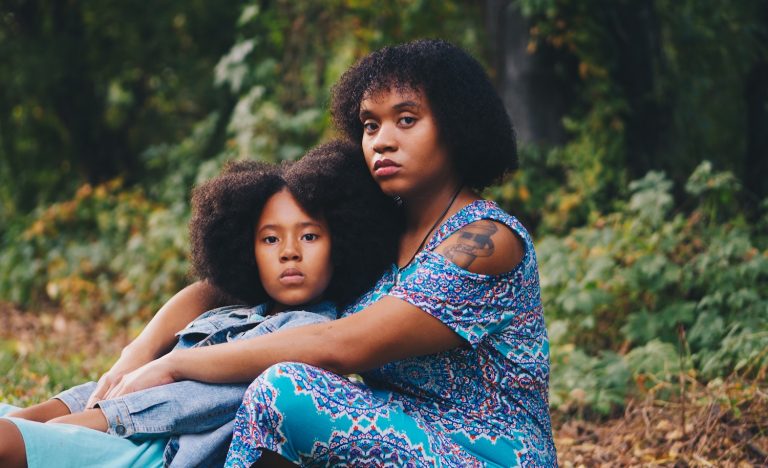
Let’s take a look at some of the strengths — and challenges — of the INFJ parent, based on the four components of this rare Myers-Briggs personality type.

If you’re an INFJ, you probably know what it’s like to feel misunderstood. We INFJs make up just 1-2 percent of the population, after all.

Our number-crunching revealed that there is a connection between birth order and personality type. And INFJs showed some of the most interesting results.